Travelling with kids can seem overwhelming, but it does not have to be. Discover practical tips, common challenges, and simple strategies that help make family trips more enjoyable, memorable, and less stressful for both parents and children.
Travelling with kids can seem overwhelming, but it does not have to be. Discover practical tips, common challenges, and simple strategies that help make family trips more enjoyable, memorable, and less stressful for both parents and children.

Every parent hears the same warning before a first family trip abroad. Genuine data, however, tells a considerably more balanced story overall. Some challenges are real, some are overstated, and a few depend heavily on your child's actual age.
Age Group | What Actually Trips Parents Up | A Practical Fix Worth Trying |
|---|---|---|
Infants (0 to 1) | Disrupted sleep schedules during flights and sudden time changes | Book flights that align closely with regular nap or bedtime windows |
Toddlers (1 to 3) | Sudden meltdowns during long queues or transit delays | Pack a small surprise bag, opened only during difficult waiting moments |
Preschoolers (3 to 6) | Picky eating in unfamiliar restaurants serving new cuisines | Research kid friendly menus in advance, then let them choose freely |
Primary Schoolers (7 to 12) | Boredom during long transit stretches between destinations | Involve them early in planning one activity, building genuine excitement beforehand |
Tweens (10 to 13) | Friction over itinerary control and growing independence during trips | Offer two genuine choices daily, giving them real, structured decision power |
Before you leave:
During the trip:
After returning home:
Most Singaporean parents already budget over five hundred dollars per family member, based on theAsianparent's travel survey. Planning around these specific traps helps that budget stretch considerably further.
Final Affirmation: Travelling with kids genuinely demands more planning than a solo trip ever would. Most of that extra difficulty, however, comes from a handful of predictable moments, not constant chaos throughout. Families who prepare for those specific moments, rather than fearing the entire trip, generally report a considerably smoother experience.
1. Is travelling with an infant realistically manageable for most families?
Infant travel remains manageable overall, provided sleep schedules receive careful, deliberate advance planning.
2. What age genuinely becomes easiest for family travel?
Primary school years often feel easiest overall, balancing genuine independence with manageable behavioural expectations.
3. Does family travel actually benefit child development meaningfully?
Research consistently links family travel with genuine educational value and stronger family bonding.
4. How much extra planning does travelling with kids truly require?
Meaningful extra planning helps considerably, though moderate flexibility matters just as much overall.
Continue your deep dive with these related articles.
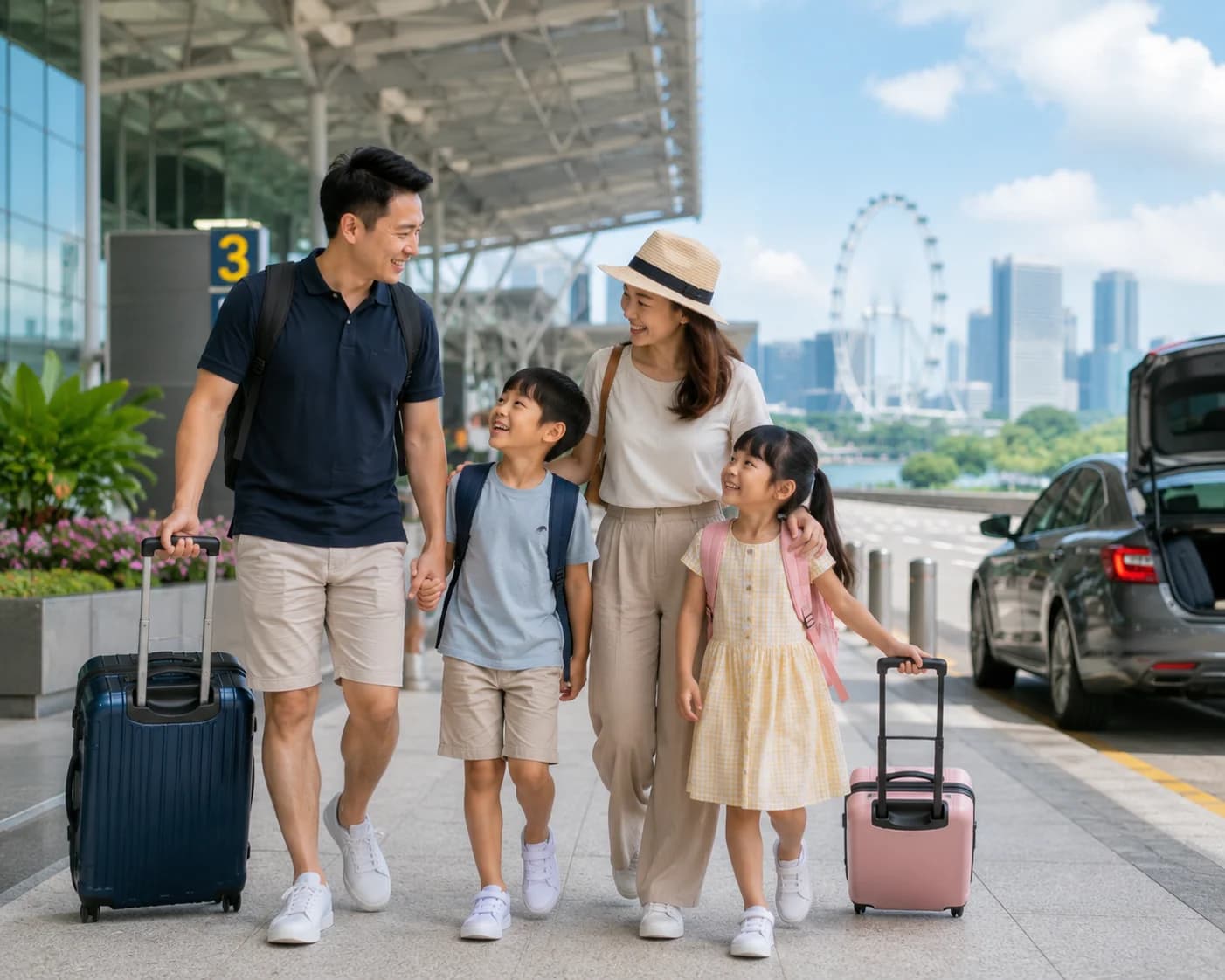
Family travel is evolving, with Singaporean parents seeking more meaningful, flexible, and child friendly experiences. Discover the latest holiday planning trends and practical ideas that help families create memorable trips while balancing comfort, convenience, and fun.

The right enrichment class offers more than new skills. It can build confidence, improve communication, encourage creativity, and strengthen problem solving abilities. Discover the lasting benefits that help children grow both inside and outside the classroom.
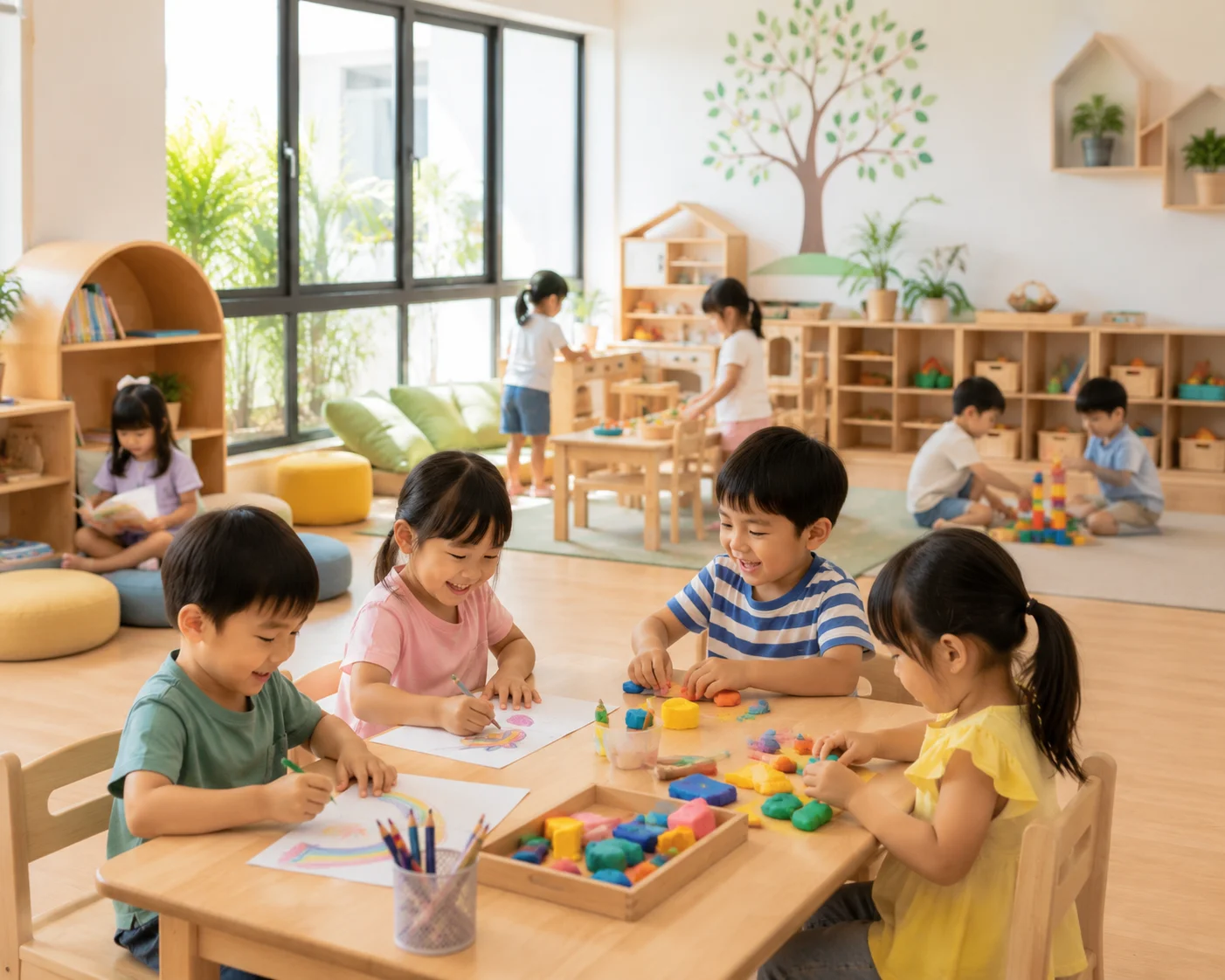
Starting preschool is an important milestone, but timing matters. Discover the factors to consider, including your child's developmental readiness, social skills, and emotional maturity, to help you decide when preschool is the right next step.

There is no one size fits all answer to when a child should start tuition. Learn the signs that indicate extra academic support may be beneficial and how to choose the right time based on your child's needs, confidence, and learning goals.
